
Uncategorized
Cyanová: Understanding the Color and the Word Meaning



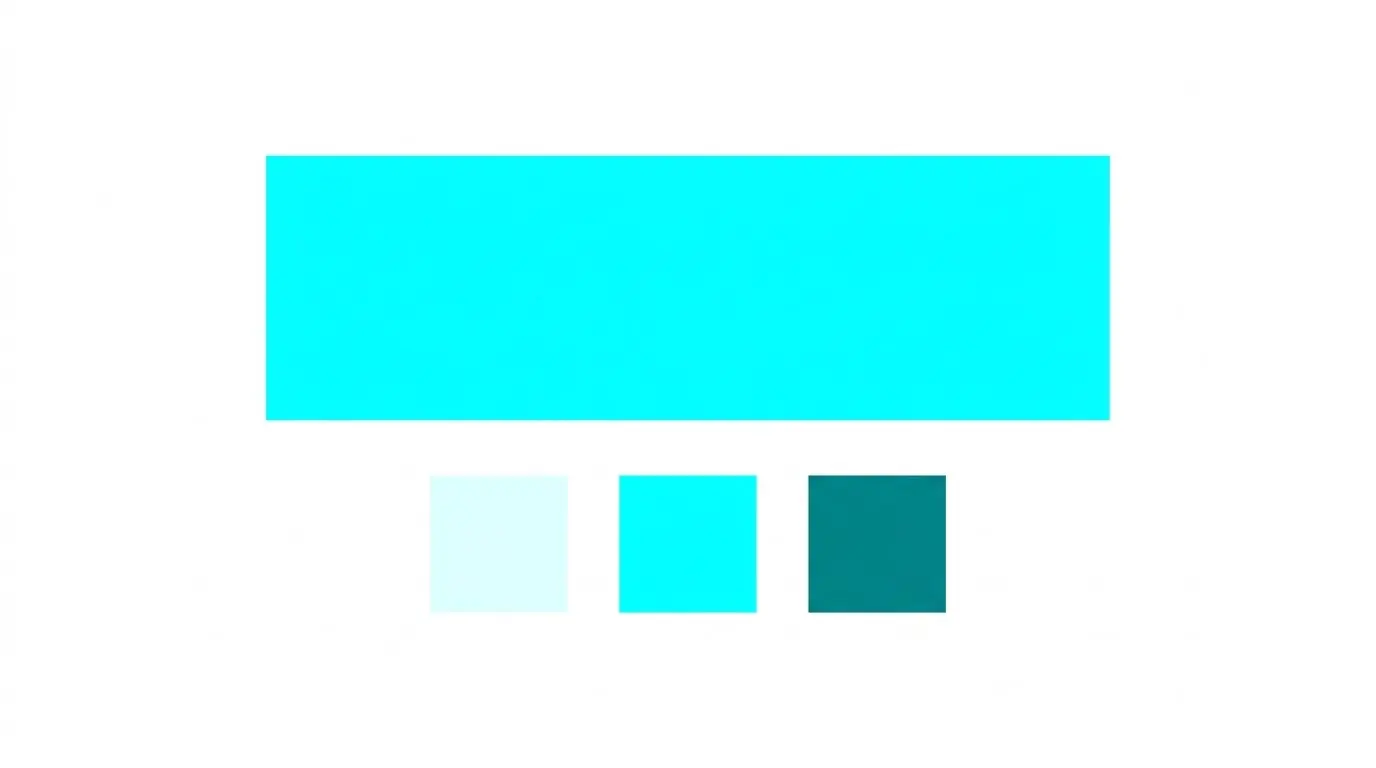
Colors shape how we see the world. They influence fashion, art, branding, and everyday design. However, some color names also reveal interesting connections between languages and cultures. Cyanová is one such example.
The word Cyanová relates to cyan, a bright blue-green color. It also reflects Czech grammar, which gives the term its distinctive ending. Although the name may sound unusual, it does not describe a newly discovered color.
Instead, Cyanová connects a familiar color with language, technology, and modern design. Understanding the word requires looking at both its linguistic background and the familiar blue-green color it describes.
What Does Cyanová Mean?
Cyanová is a feminine Czech adjective form associated with cyan. It follows the grammatical pattern used when Czech color adjectives describe feminine nouns. Its base comes from the color term cyan, while the ending reflects Czech grammatical rules.
For example, the Czech phrase cyanová barva means cyan color. Since barva is a feminine noun, the adjective takes a feminine form.
English speakers usually use the word cyan without changing its ending.
Importantly, Cyanová does not represent a separate scientific color. Instead, it describes the familiar blue-green shade through a different language structure.
The Origin of the Word Cyan
The history of Cyanová begins with the word cyan.
The word cyan comes from the Greek kyanos, a term associated with dark blue and materials such as lapis lazuli. The modern English color name developed much later.
Over time, people adopted related terminology in art, science, and technology.
Today, cyan plays an important role in both digital and printed color systems.
Meanwhile, the ending of Cyanová reflects Czech adjective formation. Czech adjectives change their forms according to the nouns they describe.
Therefore, the word combines a familiar color name with a grammatical feature of another language.
This connection makes Cyanová interesting for language learners, artists, and designers alike.
What Color Is Cyan?
In this context, Cyanová refers to the familiar cyan color family, which sits between blue and green.
The color often resembles clear tropical water, bright digital graphics, and blue-green decorative elements.
Pure digital cyan has the hexadecimal code #00FFFF. Its RGB values combine green and blue light at maximum intensity without adding red.
The following table explains its main technical properties.
| Property | Value |
|---|---|
| Color family | Blue-green |
| HEX code | #00FFFF |
| RGB | 0, 255, 255 |
| HSL | 180°, 100%, 50% |
| CSS color name | Cyan |
| Equivalent CSS color | Aqua |
However, these values describe standard web cyan rather than every possible Cyanová shade.
Designers can also choose lighter, darker, or softer variations to suit different projects.
Cyan vs. Turquoise and Teal
Many people confuse cyan with other blue-green colors. Although these shades share similarities, they have important differences.
Cyan represents a bright blue-green color. Its standard web HEX code is #00FFFF.
Cyanová refers to cyan through a Czech grammatical form. It does not introduce a separate official shade.
Turquoise usually appears softer and may lean slightly toward green. The name also comes from the turquoise gemstone.
Teal offers a darker, more subdued blue-green appearance. As a result, designers often choose it for professional branding and interiors.
Aqua shares the same standard CSS value as cyan. Both use #00FFFF in web design.
Understanding these differences helps people choose colors more accurately.
How Cyan Works in Digital Design
Digital screens use the RGB color model to produce millions of colors.
RGB stands for red, green, and blue. By adjusting these three light channels, screens create different shades.
When green and blue reach maximum intensity while red remains at zero, the screen displays pure cyan.
Consequently, cyan plays a useful role in websites, graphics, applications, and digital illustrations.
Designers often combine cyan with navy or charcoal backgrounds. This approach creates strong visual contrast and highlights important elements.
However, bright cyan may not provide enough contrast for small text on white backgrounds.
For better readability, designers should test color contrast before finalizing their work.
The Importance of Cyan in Printing
Cyan also plays a major role in commercial printing.
Most full-color printers use the CMYK color model. The letters represent cyan, magenta, yellow, and key black.
Unlike digital screens, printers create colors through inks that absorb and reflect light.
Cyan ink absorbs much of the red light. When printers combine cyan with other inks, they can produce many additional colors.
For example, cyan and yellow help create green tones. Meanwhile, cyan and magenta help produce blue and violet shades.
Nevertheless, printed cyan may look different from digital cyan.
Paper quality, ink composition, lighting, and printer settings can all influence the final appearance.
Therefore, professional designers often check printed samples before approving important projects.
Where Is Cyan Used?
Cyan and related blue-green shades appear across several creative industries.
Graphic Design and Branding
Many designers choose cyan because it creates a fresh and contemporary appearance.
For example, technology brands may use cyan accents in logos, websites, and promotional graphics.
Additionally, cyan works well with navy, white, charcoal, and neutral colors.
These combinations help brands create a consistent visual identity.
Fashion and Accessories
Cyan-inspired shades appear in clothing, scarves, handbags, and jewellery.
Bright cyan can create a bold statement. In contrast, softer blue-green tones offer a more understated appearance.
People often pair cyan with white, cream, gray, or navy.
Furthermore, fabric texture can influence how the color looks. Satin may appear brighter, while cotton and linen often create a softer finish.
Interior Design
Interior designers use cyan to introduce color into living spaces.
For instance, cyan cushions, artwork, and decorative accessories can brighten a neutral room.
Lighter shades may create an airy atmosphere. Meanwhile, darker cyan and teal add visual depth.
Natural wood and warm neutral colors also help balance these cool tones.
Before choosing paint, homeowners should test samples under different lighting conditions.
Photography and Digital Art
Photographers sometimes use cyan tones to create cooler shadows or highlight environmental details.
Similarly, digital artists combine cyan with warm colors to create visual contrast.
However, excessive cyan adjustments can make photographs appear unnatural.
For this reason, careful color balancing remains important.
Popular Cyan Color Combinations
Cyan works with several colors, depending on the desired style.
| Combination | Visual Effect |
|---|---|
| Cyan + Navy | Modern and professional |
| Cyan + White | Fresh and minimal |
| Cyan + Charcoal | Bold and contemporary |
| Cyan + Cream | Soft and balanced |
| Cyan + Coral | Vibrant and energetic |
| Cyan + Light Gray | Clean and subtle |
For example, cyan and navy can suit technology websites. On the other hand, cyan and cream may work better for lifestyle branding.
Ultimately, the right combination depends on the project’s purpose.
What Does Cyanová Symbolize?
People often associate cyan with freshness, clarity, water, and calmness.
Because the color sits between blue and green, it can suggest qualities that people commonly connect with both shades.
For example, a wellness brand might choose soft cyan to create a refreshing visual identity.
Meanwhile, a technology company may prefer bright cyan accents for a modern appearance.
However, color symbolism depends on culture, context, and personal experience.
Therefore, cyan does not guarantee a particular emotional response.
The surrounding colors, brightness, and overall design also influence how people perceive it.
How to Choose the Right Cyan Shade
Choosing the right cyan shade requires more than selecting an attractive color.
First, consider where you plan to use it.
For websites and digital graphics, HEX and RGB values help maintain consistency.
In contrast, printed materials require attention to CMYK settings, paper, and color profiles.
Fashion and interior projects also benefit from physical samples.
Next, consider the overall mood. Bright cyan creates a stronger visual impact, while softer shades offer a calmer appearance.
Finally, check how the color interacts with surrounding elements.
By following these steps, designers can select a shade that supports their project without sacrificing readability or visual balance.
Conclusion
Cyanová is a Czech feminine adjective associated with cyan, the familiar blue-green color used in digital technology, printing, fashion, and design.
Although the word does not identify a separate standardized color, it connects language with visual communication.
Pure web cyan uses the HEX code #00FFFF. However, designers can explore many lighter, darker, and softer variations.
Understanding Cyanová helps explain its linguistic meaning, technical properties, and practical applications.
Ultimately, cyan remains a versatile color that offers creative possibilities across different industries.
Frequently Asked Questions
What does Cyanová mean?
Cyanová is a feminine Czech adjective form associated with cyan. Its ending changes according to the grammatical gender of the noun it describes.
Is Cyanová a separate color?
No. Cyanová does not represent a separate standardized color. Instead, it refers to the familiar cyan color family.
What is the HEX code for Cyanová?
Pure standard web cyan uses the HEX code #00FFFF. However, related blue-green shades may have different values.
Is Cyanová the same as turquoise?
Not exactly. Cyan generally appears brighter, while turquoise often has a softer or greener appearance.
Where do designers use Cyanová?
Designers use cyan-inspired shades in branding, websites, printing, fashion, photography, and interior decoration.
Which colors complement Cyanová?
Navy, white, cream, charcoal, gray, and coral can complement cyan. However, the best combination depends on the desired visual effect.
You May Like







Homecz: What Does It Mean and What Does It Refer To?

Barbeglue: What It Is, Uses, and Key Features

Windstrebe: How Diagonal Bracing Keeps Structures Stable
Deborah Dubois’ Her Life With Barry Seal Beyond the Movie

Ivant Fields Helped His Son Chase a Dream He Once Had
