
International fuel trading involves more than finding a supplier and arranging transportation. Buyers must consider product quality, shipping costs, customs requirements, and reliable delivery. These factors are particularly important in the biomass industry, where wood pellets serve as an alternative fuel for heating systems and industrial energy production.
ImportPellet is a name associated with online information about sourcing and importing wood pellets, particularly in connection with international suppliers. The term itself is not a recognized industry standard, customs classification, or universally established name for the wood pellet importing process.
Although the name may sound like a specialized company or certification, it is not a recognized international wood pellet quality standard or customs program.
So, what does ImportPellet mean, how does wood pellet importing work, and what should buyers check before purchasing fuel from another country?
This article examines the importing process, product quality, supplier checks, transportation costs, and safety considerations.
What Is ImportPellet?
ImportPellet generally refers to the process of purchasing wood pellets from overseas suppliers and transporting them into another country.
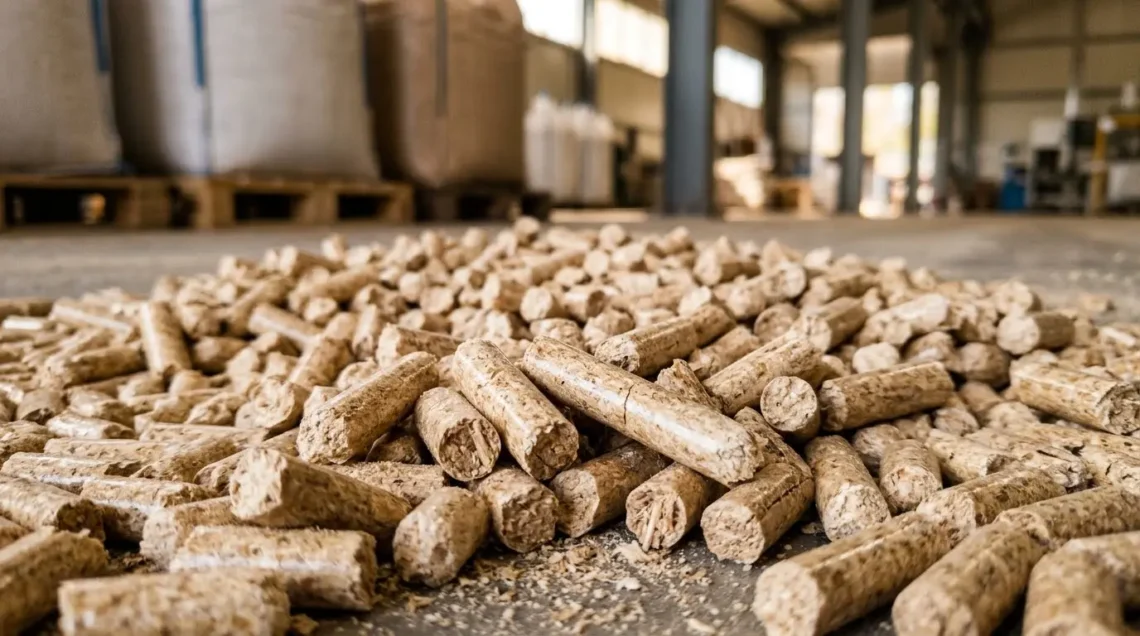
Wood pellets are small, compressed cylinders manufactured from processed woody materials such as sawdust, wood shavings, and suitable wood-processing residues.
They provide a convenient fuel option because manufacturers can package, transport, and store them in relatively compact quantities.
International buyers may include:
- Residential heating fuel distributors
- Commercial boiler operators
- Industrial energy producers
- Biomass fuel wholesalers
- Agricultural businesses
- Import and export trading companies
The term itself does not identify one universally recognized importer, manufacturer, or certification organization. Its meaning depends on the commercial context in which it appears.
What Are Wood Pellets Used For?
Wood pellets serve several heating and energy applications.
Residential Heating
Homeowners use compatible pellet stoves and boilers to heat indoor spaces.
Manufacturers design these systems to burn compressed fuel at controlled rates. Pellet dimensions, moisture, and durability can affect equipment performance.
Commercial Heating
Hotels, warehouses, greenhouses, and commercial buildings may use biomass boilers to supply heat.
These facilities often require regular fuel deliveries to maintain consistent operations.
Industrial Energy Production
Larger industrial facilities can use wood pellets in suitable combustion systems.
Their energy requirements may involve substantial quantities, making supplier reliability and transportation planning particularly important.
Agricultural Applications
Some agricultural operations use biomass heating systems to maintain suitable temperatures in greenhouses and other facilities.
However, the equipment must support the specific fuel type being purchased.
Why Do Businesses Import Wood Pellets?
Businesses import pellets for several reasons.
Access to additional suppliers: International purchasing allows buyers to compare manufacturers from different countries.
Supply availability: Overseas suppliers can help businesses obtain fuel when domestic production cannot meet their requirements.
Product specifications: Some buyers need particular pellet dimensions, quality classes, packaging, or delivery arrangements.
Commercial pricing: Comparing international quotations may reveal competitive purchasing opportunities.
Nevertheless, a low factory price does not automatically produce a cheaper shipment. Freight, insurance, customs charges, port handling, and inland transportation can significantly affect the final cost.
How Does the Importing Process Work?
International wood pellet sourcing involves several connected stages.
1. Identify Suitable Suppliers
Buyers begin by identifying manufacturers, exporters, and trading companies.
They should examine company registration details, production facilities, export experience, references, and contact information.
A supplier’s website alone does not establish its reliability.
2. Confirm Product Specifications
Before requesting quotations, buyers should define the required pellet characteristics.
Important specifications include:
- Raw material composition
- Pellet diameter and length
- Moisture content
- Ash content
- Mechanical durability
- Fines percentage
- Bulk density
- Calorific value
These properties influence fuel quality, storage, handling, and combustion performance.
3. Request Samples and Test Reports
Buyers should request representative samples and recent laboratory reports.
For larger orders, independent inspection can provide additional assurance that the shipment matches the agreed specifications.
4. Agree on Commercial Terms
The buyer and seller should agree on product quantity, price, packaging, delivery schedule, payment arrangements, and applicable Incoterms.
These agreements clarify which party handles transportation, insurance, customs responsibilities, and delivery risks.
5. Arrange Shipping and Customs
Depending on the order size and destination, wood pellets may travel in containers or bulk cargo vessels.
The importer must prepare the required commercial invoices, packing lists, transport documents, and other paperwork required by the destination country.
Customs classification and import conditions must be checked against the relevant national tariff schedule.
6. Inspect and Receive the Shipment
After arrival, buyers should compare the delivered quantity and condition with the purchase agreement.
Inspection can identify moisture damage, broken pellets, excessive fines, or discrepancies in documentation.
Understanding Wood Pellet Quality Standards
Quality verification is one of the most important parts of international sourcing.
Two important references are ISO 17225-2 and the ENplus certification scheme.
ISO 17225-2
The International Organization for Standardization publishes ISO 17225-2:2021, which establishes fuel quality classes and specifications for graded wood pellets intended for industrial and non-industrial use.
It covers specified woody raw materials, including virgin wood and suitable by-products from wood processing.
The standard helps buyers and producers communicate technical requirements consistently.
ENplus Certification
ENplus is an independent certification scheme for wood pellets.
Its quality classes include:
| Quality Class | General Application |
|---|---|
| ENplus A1 | High-quality residential heating pellets |
| ENplus A2 | Residential and other suitable heating applications |
| ENplus B | Industrial and other approved applications |
These classes have different requirements for raw materials and technical properties.
Buyers should verify certification claims through official ENplus records rather than relying only on a printed logo or supplier statement.
What Affects the Cost of Importing Wood Pellets?
The total importing cost involves several expenses beyond the original product quotation.
| Cost Component | Description |
|---|---|
| Product price | Manufacturer or exporter quotation |
| Inland transport | Movement from the factory to the export port |
| Ocean freight | International shipping |
| Insurance | Coverage for agreed transportation risks |
| Port charges | Handling and terminal expenses |
| Customs duties | Charges determined by destination-country regulations |
| Inspection | Testing and cargo verification |
| Inland delivery | Transport to the final warehouse or customer |
Buyers should calculate the complete landed cost before comparing suppliers.
This approach provides a more realistic picture of the actual purchasing expense.
Important Safety and Storage Considerations
Wood pellets require suitable storage conditions.
Moisture can damage their structure, increase fines, and affect combustion performance.
However, moisture is not the only concern.
The UK Health and Safety Executive warns that stored wood pellets can release carbon monoxide. Enclosed storage areas may also experience oxygen depletion.
Therefore, large storage facilities, silos, and enclosed hoppers require suitable ventilation and safety procedures.
Personnel should never enter pellet storage spaces without proper confined-space controls, atmospheric testing, and appropriate training.
These risks make storage planning an important part of the importing process rather than simply a warehouse decision.
Is ImportPellet a Company or Certification?
ImportPellet is not itself a recognized international wood pellet certification, official customs classification, or universal importing program.
Some online content uses ImportPellet in connection with wood pellet supplier research in Brazil and Mello Commodity. However, this association alone does not establish ImportPellet as a registered trading company, manufacturer, or direct fuel supplier.
Buyers should distinguish between a research resource, an importing activity, a manufacturer, and an actual trading business.
Before making a payment, verify the legal business identity, physical address, supplier agreements, and relevant certifications.
Conclusion
Importing wood pellets internationally involves several commercial, logistical, and quality-related considerations.
The process involves identifying manufacturers, confirming fuel specifications, checking quality documentation, arranging transportation, and completing customs procedures.
Standards such as ISO 17225-2 and certification schemes such as ENplus help buyers evaluate product quality.
However, successful importing requires more than finding a competitive quotation. Supplier verification, landed-cost calculations, documentation, and safe storage all influence the final outcome.
Ultimately, understanding these requirements helps businesses make better purchasing decisions and manage the risks associated with international biomass fuel trading.
Frequently Asked Questions
What does ImportPellet mean?
ImportPellet generally refers to international sourcing and importing of pellet products, particularly wood pellets used for heating and energy production.
Is ImportPellet a registered company?
The term itself does not establish a verified international company. Buyers should check the registration and ownership of any specific business using this name.
What are imported wood pellets used for?
They are commonly used in compatible residential stoves, commercial heating boilers, greenhouses, and industrial energy systems.
Which wood pellet certification should buyers check?
ENplus is an established third-party certification scheme. ISO 17225-2 also provides technical fuel specifications and quality classes.
How can buyers verify wood pellet quality?
Request product specifications, recent laboratory reports, representative samples, and valid certification details. Independent inspection can provide further assurance.
What documents are required to import wood pellets?
Common documents include commercial invoices, packing lists, transport documents, and any additional certificates required by the destination country.
Can wood pellets release carbon monoxide?
Yes. Stored pellets can release carbon monoxide, particularly in enclosed storage spaces. Appropriate ventilation and confined-space safety procedures are essential.
Is importing wood pellets profitable?
Profitability depends on purchasing prices, fuel quality, shipping expenses, customs charges, local demand, and distribution costs. No importing arrangement guarantees a profit.