
Uncategorized
Trallehylde: Meaning, Uses, and Danish Wooden Shelf Design



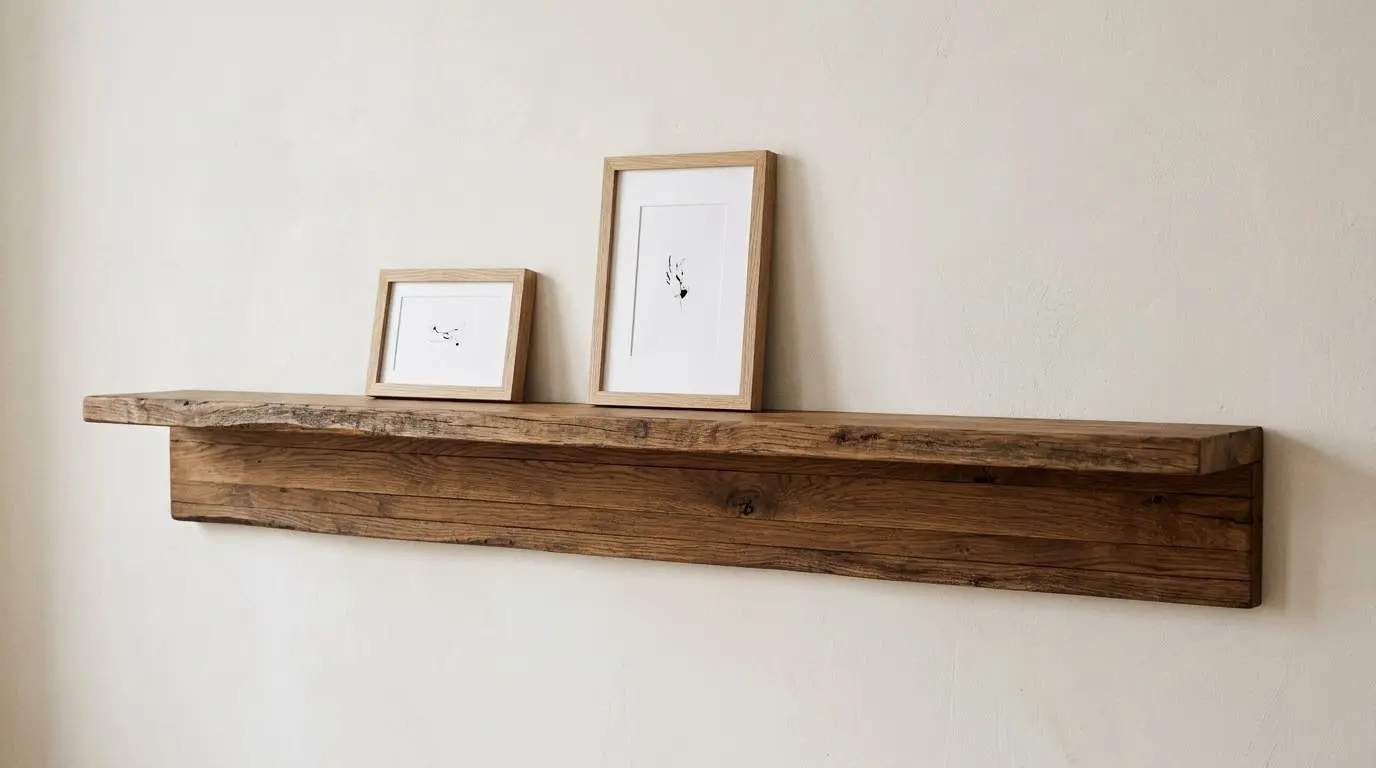
Furniture can do more than provide storage. The right design can also add warmth, texture, and character to a room.
Simple wooden shelving can bring natural materials, practical storage, and understated design together in a home.
Trallehylde is a Danish compound used for wooden shelving made from, or inspired by, traditional slatted timber platforms.
The design takes inspiration from traditional wooden slats used in construction. Instead of hiding the natural character of the timber, these shelves often highlight its grain, texture, and slightly rustic appearance.
But what does Trallehylde actually mean? How is this type of shelf made, and where can homeowners use it?
This guide explores its Danish meaning, design characteristics, materials, practical applications, and important considerations before buying or installing one.
What Is Trallehylde?
Trallehylde describes a wooden shelf made from, or inspired by, traditional slatted timber platforms.
The term combines two Danish words:
- Tralle: A structure made from connected wooden slats or battens, traditionally used as a platform on scaffolding.
- Hylde: A shelf or horizontal surface used to store and display objects.
Together, the words suggest a shelf that uses the appearance or construction style of traditional wooden slats.
A typical design may feature reclaimed timber, visible wood grain, natural imperfections, and simple supporting brackets.
However, there is no single standardized design. Some manufacturers use reclaimed scaffolding boards, while others create new wooden shelves inspired by the same construction style.
The defining feature is the connection with slatted timber rather than one specific size, material, or furniture brand.
The Danish Meaning and Origins
Understanding the two Danish words provides a useful explanation of the design.
According to Den Danske Ordbog, tralle refers to a long, narrow platform made from connected wooden battens that form a grid. The dictionary notes its traditional use as flooring on scaffolding and also mentions its use in furniture construction.
The word hylde describes a horizontal surface used to store objects, such as a shelf in a cupboard, shelving unit, or on a wall.
Together, the two words suggest a shelf made from, or inspired by, traditional slatted wooden platforms. This interpretation is supported by how Danish retailers use the term for actual shelving products.
From Construction Materials to Home Furniture
Traditional traller were designed as practical wooden platforms, particularly for use on scaffolding. Their slatted construction has also inspired furniture makers to create shelves and other household items.
Reusing suitable timber gives old materials another purpose while preserving their natural texture. This approach connects Trallehylde with the wider use of reclaimed wood in home furniture.
Key Design Features
Although individual products vary, several characteristics commonly define this shelving style.
1. Natural Wooden Texture
Natural timber gives these shelves much of their visual appeal.
Depending on the material, the surface may show knots, grain patterns, small marks, and variations in colour.
Reclaimed boards often have a more weathered appearance, while newly processed wood provides a cleaner finish.
2. Slatted or Rustic Construction
Some designs preserve visible spaces between wooden elements. Others use solid boards that recreate the appearance of traditional scaffolding timber.
This variation allows manufacturers to create different looks without following one fixed design.
3. Simple Supporting Brackets
Many wall-mounted versions use visible metal brackets or spacers.
Black metal supports, for example, can create an industrial contrast against natural oak or pine.
Other models use concealed mounting hardware for a cleaner appearance.
4. Functional Simplicity
The main purpose remains practical storage.
Rather than relying on complicated decoration, the design allows the material and construction details to provide visual interest.
Materials That May Be Used in Trallehylde Shelves
Material selection affects appearance, durability, maintenance, and cost.
| Material | Main Characteristics |
|---|---|
| Reclaimed timber | Weathered appearance and visible history |
| Oak | Strong hardwood with distinctive grain |
| Pine | Lightweight softwood with a natural finish |
| Spruce | Light colour and relatively simple grain |
| Recycled scaffolding boards | Rustic appearance and potential material reuse |
| Metal brackets | Additional support and industrial styling |
Not every product uses reclaimed scaffolding timber. Some manufacturers choose new wood to achieve consistent dimensions and finishes.
Therefore, buyers should check the actual product description instead of assuming that every shelf contains recycled materials.
Where Can You Use This Type of Wooden Shelf?
A well-designed wooden shelf can serve several purposes around the home.
Living Room
In a living room, a wall-mounted version can display books, small plants, photographs, and decorative objects.
Its natural texture can also create contrast against painted walls and modern furniture.
For a balanced appearance, avoid overcrowding the surface with too many accessories.
Kitchen
Wooden shelving can provide convenient storage for cookbooks, jars, cups, and frequently used kitchen items.
However, kitchens expose furniture to moisture, heat, grease, and occasional spills.
Choose a suitable protective finish and keep wooden shelves away from direct heat sources.
Bedroom
In bedrooms, these shelves can hold small decorative objects, books, and personal accessories.
A simple design above a desk or beside a dressing area can provide additional storage without occupying much floor space.
Bathroom
Wooden shelving can add warmth to a bathroom’s hard surfaces.
Nevertheless, regular moisture exposure can damage untreated timber.
Choose a moisture-resistant finish, provide suitable ventilation, and avoid installing wood where water regularly collects.
Home Office
A wooden shelf above a desk can hold notebooks, office accessories, and small storage containers.
The combination of natural wood and simple metal supports can also complement an industrial-style workspace.
How to Choose the Right Shelf
Choosing the right model involves more than comparing photographs.
Consider these important factors before purchasing.
Check the Dimensions
Measure the available wall space and decide how much storage you need.
Pay attention to shelf depth as well as length. A narrow decorative shelf may not provide enough space for books or larger objects.
Examine the Timber Quality
Look for cracks, loose sections, excessive warping, and signs of moisture damage.
Reclaimed timber may have natural imperfections, but structural defects require attention.
Review the Finish
An appropriate finish can help protect wood from dust, spills, and environmental moisture.
Depending on the intended location, manufacturers may offer oil, wax, lacquer, or other protective treatments.
Check the Mounting Hardware
The shelf must have suitable brackets, screws, and wall fixings.
The correct fixing method depends on the wall material, shelf weight, and intended load.
For plasterboard, masonry, and timber walls, different mounting solutions may be necessary.
Confirm the Weight Capacity
Never assume that all wooden shelves can support the same weight.
Safe loading depends on the timber, dimensions, brackets, fixings, and wall structure.
Follow the manufacturer’s stated load limit and avoid placing heavy objects on an inadequately supported shelf.
DIY Wooden Shelf Ideas
Homeowners who enjoy simple woodworking projects may prefer making their own version.
A basic design can use a reclaimed wooden board, suitable metal brackets, and appropriate wall fixings.
First, inspect the timber carefully and remove loose material, dirt, and unwanted fasteners.
Next, sand the surface according to the desired finish. Some people prefer a smoother appearance, while others retain parts of the original texture.
Then apply a suitable wood treatment.
Finally, install the brackets using fixings appropriate for the wall.
However, reclaimed scaffolding boards require particular attention. Old boards may contain hidden metal, damage, contamination, or weakened sections.
Never reuse timber with uncertain structural integrity for a heavily loaded shelf.
Maintenance and Care
Regular care helps wooden shelving maintain its appearance.
Dust the surface with a soft, dry cloth. For minor spills, wipe the area promptly rather than allowing moisture to soak into the timber.
Avoid harsh cleaning chemicals unless the finish manufacturer specifically approves them.
Additionally, check brackets and mounting screws periodically.
If the wood has an oil-based finish, follow the manufacturer’s recommendations for reapplication.
Bathrooms and kitchens may require more frequent inspection because moisture and temperature changes can affect timber over time.
Is Trallehylde a Brand or a Furniture Style?
Trallehylde is best understood as a descriptive product term used for shelving made from or inspired by wooden traller. It does not identify one universally recognized furniture brand or a standardized furniture category.
Danish retailers use Trallehylde as a product name for different wooden shelving designs. For example, Toka Design offers an oak shelf with black spacers, while Øsdal Design features a version made from recycled pallet wood.
These examples show how the term is used commercially, but they do not establish one universal product standard. When shopping, compare the construction, timber, finish, dimensions, and mounting hardware rather than relying on the product name alone.
Conclusion
Trallehylde is a Danish shelving concept connected with traditional slatted wooden platforms and practical Scandinavian-inspired furniture.
Its appeal comes from natural materials, straightforward construction, and a combination of storage and decorative value.
Depending on the manufacturer, a shelf may use reclaimed scaffolding timber, new oak, pine, or other wooden materials.
Homeowners can use these designs in living rooms, kitchens, bedrooms, bathrooms, and home offices.
However, material quality, protective finishes, mounting hardware, and weight limits remain important considerations.
Ultimately, a well-made wooden shelf can provide useful storage while bringing natural texture and understated character into a modern home.
FAQs
What does Trallehylde mean?
Trallehylde is a Danish compound associated with a shelf made from or inspired by traditional slatted wooden platforms. The word combines tralle, meaning a slatted structure, and hylde, meaning shelf.
Is Trallehylde a Danish furniture brand?
No single international brand defines the term. Individual furniture retailers may use it to describe their own wooden shelving products.
What materials are used to make these shelves?
Common materials include reclaimed scaffolding timber, oak, pine, spruce, and metal mounting brackets. The exact construction varies by manufacturer.
Can I use a wooden shelf in the kitchen?
Yes. It can hold cookbooks, jars, cups, and decorative objects. Choose a suitable protective finish and avoid excessive moisture and direct heat.
Are Trallehylde shelves made from recycled wood?
Some versions use reclaimed scaffolding boards, while others use newly processed timber. Always check the product’s material description.
How much weight can a wooden shelf hold?
There is no universal weight limit. Capacity depends on the shelf dimensions, timber quality, brackets, wall fixings, and installation method.
How do I maintain a wooden shelf?
Remove dust regularly, wipe spills quickly, avoid unsuitable chemicals, and inspect the mounting hardware. Follow the finish manufacturer’s care instructions.
Does this shelving style suit modern interiors?
Yes. Natural wood and simple construction can complement Scandinavian, rustic, minimalist, and industrial interior styles.
You May Like










Fairid: Who Is Fairid Naparin and What Is His Background?

Trallehylde: Meaning, Uses, and Danish Wooden Shelf Design

Brumeblog com: What Is It and What Can You Read There?
Deborah Dubois’ Her Life With Barry Seal Beyond the Movie

Ivant Fields Helped His Son Chase a Dream He Once Had
