Rainwater drainage is an important part of protecting residential and commercial buildings. Gutters and downpipes collect water from roofs, but they also carry leaves, dust, moss, and other debris. Without suitable protection, these materials can enter underground pipes and contribute to blockages.
One component designed for this purpose is called a gajgr, commonly known in the plural as gajgry in Czech construction and drainage terminology.
Although the name may sound unfamiliar to English-speaking readers, it refers to a practical fitting used in roof drainage systems. It collects larger debris, directs rainwater into underground pipework, and may help prevent unpleasant sewer smells from travelling back through the downpipe.
So, what exactly are Gajgry, how do they work, and why are they important for building maintenance?
This guide explains their meaning, construction, applications, different types, and maintenance requirements.
What Are Gajgry?
Gajgry is the Czech plural form of gajgr, a roof-drainage fitting designed to collect debris from rainwater downpipes.
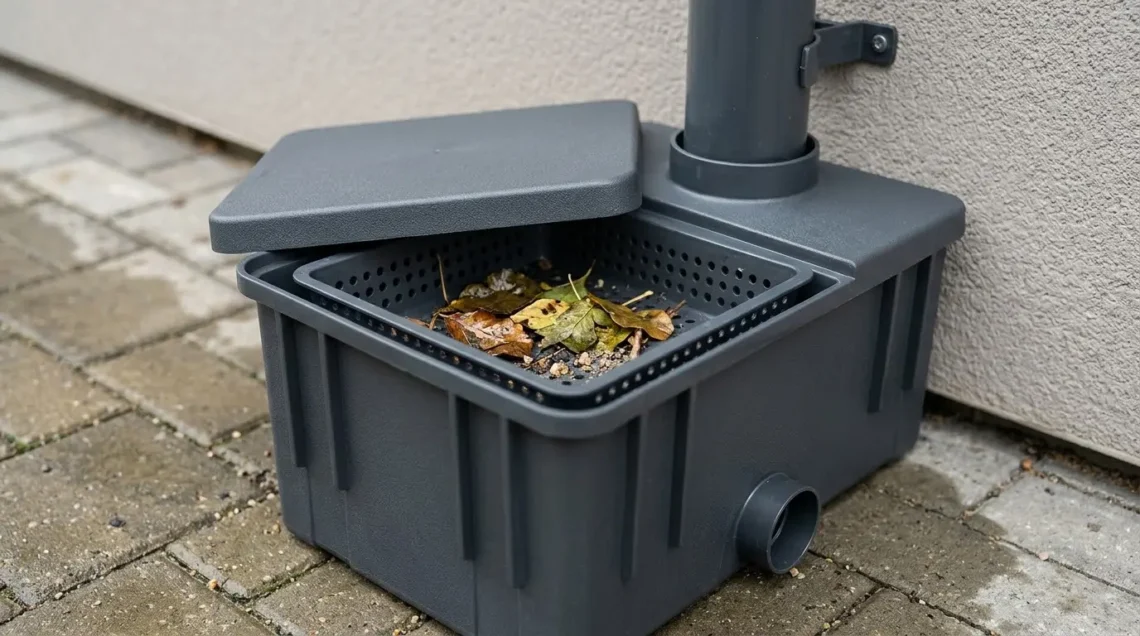
The fitting is generally installed near ground level, where a vertical gutter downpipe connects to an underground drainage system.
Its main purpose is to intercept solid materials carried by rainwater before they enter the drainage network.
Common materials collected include:
- Leaves and small branches
- Moss and roofing particles
- Sand and grit
- Dust and accumulated dirt
- Other small solid debris
The component may also include a removable collection basket and an odour-control mechanism.
In Czech technical terminology, it is commonly described as lapač střešních splavenin, meaning a roof-runoff debris collector.
In English, similar products are commonly described as roof-drainage debris traps, downpipe collectors, or rainwater gullies.
What Is the Origin of the Word Gajgry?
The word belongs to Czech construction and plumbing terminology.
Its singular form is commonly written as gajgr, while gajgry refers to the plural.
The term is also closely associated with the name Geiger, which is used for the same type of roof-drainage fitting in Czech product descriptions. However, the exact historical origin of the name should not be treated as established without a reliable historical source.
The more technically descriptive expression is Geigerův lapač střešních splavenin.
However, the historical explanation concerns the name’s terminology rather than establishing the complete history of every modern drainage product.
How Do Gajgry Work?
Gajgry operate through a relatively simple mechanical process.
They receive rainwater from a roof downpipe, collect larger solid materials, and allow the remaining water to continue into the connected drainage system.
1. Rainwater Enters the Fitting
Rain falls onto the roof and moves through the gutter system.
The gutters direct the water into vertical downpipes, which carry it towards ground level.
At the bottom of the downpipe, water enters the Gajgr through its inlet.
2. The Collection Basket Captures Debris
Inside many models, a removable basket catches larger particles before they reach the underground drainage pipe.
Leaves, moss, twigs, and grit collect inside this component instead of immediately entering the underground drainage pipe.
The basket provides an accessible place to remove accumulated debris during routine maintenance.
3. Water Continues Through the Outlet
After passing through the collection area, rainwater leaves through the outlet.
Depending on the product design, the outlet may direct water vertically downward or horizontally into connected pipework.
The selected configuration must match the existing drainage arrangement.
4. An Odour-Control Mechanism May Restrict Sewer Smells
Some Gajgry include a special flap or water-seal arrangement.
This feature helps restrict unpleasant smells travelling backwards from connected drainage pipes.
However, not every model contains the same mechanism. Buyers should check the manufacturer’s specifications before selecting a product.
Main Types of Gajgry
Different drainage arrangements require different fitting designs.
Two common configurations are based on the direction of the outlet.
Bottom-Outlet Gajgry
Bottom-outlet models direct rainwater vertically downward.
They are suitable for installations where the underground drainage connection is positioned beneath the fitting.
Their straightforward arrangement makes them a common option in conventional rainwater drainage systems.
Side-Outlet Gajgry
Side-outlet models direct water horizontally towards an underground pipe.
They can be useful where the available installation depth is limited or where the connecting pipe enters from the side.
The choice between these designs depends on the building’s existing drainage layout.
Plastic and Cast-Iron Models
Manufacturers also offer different materials.
Plastic models: Often use polypropylene or other drainage-compatible plastics. They are relatively lightweight and commonly include removable covers and collection baskets.
Cast-iron models: Provide a heavier construction and may be selected for installations requiring greater mechanical strength.
Some products combine plastic bodies with cast-iron covers or other components.
Where Are Gajgry Used?
These fittings appear in several types of building and property drainage arrangements.
Residential Buildings
Homes use roof drainage fittings to connect gutter downpipes with underground rainwater pipes.
A suitable collection unit can help prevent leaves and other roof debris from entering the drainage system.
Commercial Buildings
Shops, offices, warehouses, and other commercial properties often have larger roof drainage networks.
Accessible debris collection points can make routine maintenance easier.
Garages and Outbuildings
Detached garages, workshops, and smaller buildings also require suitable rainwater management.
The appropriate fitting depends on the roof area, downpipe dimensions, and drainage arrangement.
Rainwater Collection Systems
Some Gajgry can be incorporated into compatible rainwater collection arrangements.
By collecting larger debris before water reaches a storage system, they may help reduce the amount of solid material entering the connected pipework.
However, they do not purify water or make it safe to drink.
Additional filtration and appropriate water treatment are necessary depending on the intended use.
Benefits of Installing Gajgry
A correctly selected and maintained drainage fitting can provide several practical advantages.
Debris collection: It catches larger materials before they enter underground drainage pipes.
Easier maintenance: Removable baskets provide convenient access for cleaning.
Drainage protection: Reducing the amount of debris entering pipework can help lower the risk of certain blockages.
Odour management: Models with suitable seals or flaps can help restrict unpleasant sewer smells.
Installation options: Bottom and side outlets, along with different connection sizes, allow the fitting to suit various drainage layouts.
However, these components cannot prevent every drainage problem. Their effectiveness depends on the overall system design, installation quality, and maintenance.
How to Choose the Right Gajgr
Selecting an appropriate fitting requires checking several technical details.
Check the Pipe Diameter
The inlet must match the building’s rainwater downpipe.
Manufacturers offer different connection sizes, so measure the existing pipe before purchasing.
Choose the Correct Outlet
Determine whether the underground drainage connection requires a bottom or side outlet.
An incompatible configuration can complicate installation.
Examine the Collection Basket
Check whether the product includes a removable basket or strainer.
An accessible collection component makes routine cleaning easier.
Review the Material
Consider the installation environment, expected mechanical loads, and manufacturer’s recommendations.
Plastic and cast-iron products have different properties.
Confirm Odour Protection
If sewer smells are a concern, select a model with a suitable odour-control mechanism.
Do not assume every debris collector includes this feature.
Maintenance and Cleaning
Regular maintenance helps Gajgry continue working effectively.
Leaves and sediment gradually accumulate inside the collection area.
If the basket becomes full, water may drain more slowly or overflow around the fitting.
A practical maintenance routine includes:
- Open the accessible cover.
- Remove the collection basket if the model includes one.
- Empty accumulated leaves, grit, and other debris.
- Check the outlet for visible obstructions.
- Inspect the flap or seal where fitted.
- Reinstall the components and secure the cover.
Properties surrounded by trees may require more frequent cleaning, particularly during autumn.
It is also sensible to inspect the fitting after heavy rainfall.
If repeated blockages or unpleasant smells occur, the wider drainage system may require professional inspection.
Conclusion
Gajgry are practical roof-drainage fittings used to collect debris and direct rainwater from downpipes into underground drainage systems.
The term comes from Czech construction terminology, where its singular form is gajgr.
Depending on the design, these fittings may include removable collection baskets, vertical or horizontal outlets, and mechanisms that help restrict sewer odours.
Their main advantages include easier cleaning, improved debris management, and support for effective rainwater drainage.
However, they cannot replace a properly designed drainage system or eliminate the need for regular maintenance.
For homeowners, builders, and property maintenance professionals, understanding the different designs and connection requirements makes it easier to choose a suitable fitting.
Frequently Asked Questions
What does Gajgry mean?
Gajgry is the Czech plural form of gajgr, a roof-drainage fitting that collects debris from rainwater downpipes before it enters underground pipework.
What is the main purpose of Gajgry?
Its primary purpose is to catch leaves, moss, grit, and other solid materials while allowing rainwater to continue into the drainage system.
Where are Gajgry installed?
They are generally installed near ground level at the bottom of exterior gutter downpipes, where rainwater enters underground drainage.
Do Gajgry prevent sewer smells?
Some models contain odour-control flaps or water seals that help restrict unpleasant smells. The feature depends on the individual product.
What materials are used to make Gajgry?
Common materials include polypropylene and cast iron. Some products combine plastic bodies with heavier metal covers.
What is the difference between bottom-outlet and side-outlet models?
Bottom-outlet models direct water vertically downward, while side-outlet models connect horizontally to underground drainage pipes.
Can Gajgry prevent flooding?
They can help reduce certain debris-related drainage problems, but they cannot guarantee flood prevention. Drainage capacity, rainfall intensity, ground conditions, and system design also matter.
Can Gajgry be used with rainwater harvesting?
Some models can be incorporated into compatible collection systems, but additional filtration and suitable water treatment may be required.